
Dead Family
I grew up in a family surrounded by women and lonely maternities. I grew up watching the absence of fatherhood. Men were less than women, but they decided and invoked blind strength. At 12, I began to recognize my diversity. At 18, I experienced my first bereavement: my cousin Jose committed suicide. My relatives said that Joseito was homosexual and that is why he decided to take his own life. Corrective violence and binary violence often do not allow diversity to inhabit the world. In 2013 my mother died and this marked a separation with my family. I moved away from that home that was both a refuge and a concentration camp. In 2022 I began to revisit the family archive, I understood that I was not in it. I could also say that this person, who is apparently me, was an imposed representation. I began to visit other family files of LGBTQIA+ people and my questions became certainty. My story, Aurora’s, Osiris’, Agnes’ and Erick’s, had something in common. The early years of our personal memories do not represent who we are. Every diverse gesture was censored. Most childhoods, trans, non-binary, queer and sex-diverse, we must raise ourselves alone, rethink the idea of home, build a chosen family and fight for our rights. Dead family is an investigation that looks at the family archive as a binary historical document that protects heteronormative narratives imposed by patriarchal structures. These impositions imply a sexist order that separates the masculine from the feminine and marginalizes identities that are outside of this political-biological mechanism. Diverse identities have no visibility in the action of the “family portrait”. Binary violence not only denies diverse representations, it also fetishizes the feminine and turns women into a maternal-domestic tool. Dead family is a work that intervenes in the family archive. It is a photographic intervention, but also a political one. It is a naturally collective project that needs the voice and the gaze of the LGBTQIA+ community. This collaborative nature allows each person who opens the pages of his or her album to intervene their own archives based on the premise: What would a more diverse memory look like for the future? 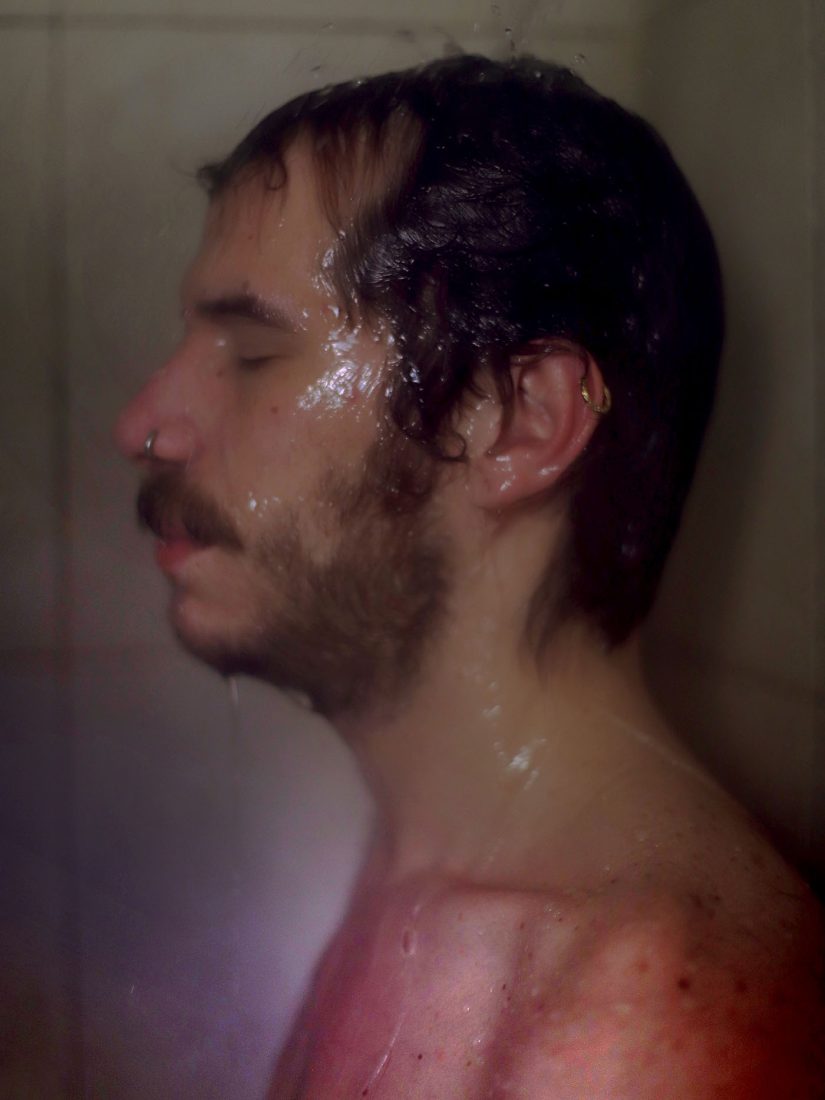
Erick José Pérez Ruíz (28), queer man and Venezuelan. Erick and I started living together in 2014. Since then we have accompanied each other in all our personal processes. Perez often feels anxious about his identity and is still rebuilding his relationship with his family, who from the beginning showed resistance about his sexuality. The mental health of LGBTQIA+ people is always at risk. Although we have moved forward with policies that support our rights, the stigma towards us remains. The portrait of my boyfriend in the shower is a way to talk about how diversity survives. After it rains, the drops act like little prisms and when they are illuminated by the sun, this light separates the colors and forms a rainbow. 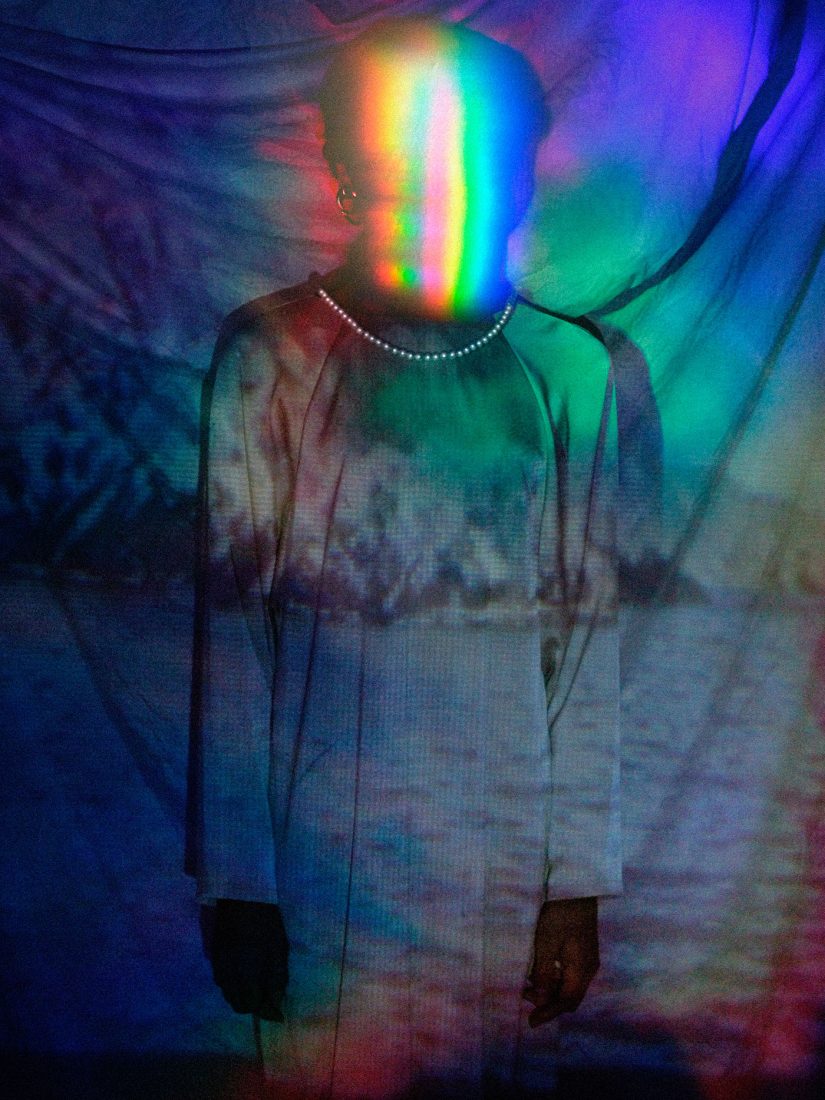
Osiris Evangeline Durán Gil (22) is a Venezuelan trans woman. Since she was a teenager she revealed her diversity. Over time she began to be feminine. After emigrating and moving away from the place where she was born, she transitioned to what she always was, a woman. Osiris: “They watched me grow up knowing I was Angelo, they will never accept that I am a woman. When I emigrated no one knew my story and I am a woman.” This photograph recreates a dream Osiris had: dress, pearls and a rainbow. And since everything that dreams come true, we took this photo. 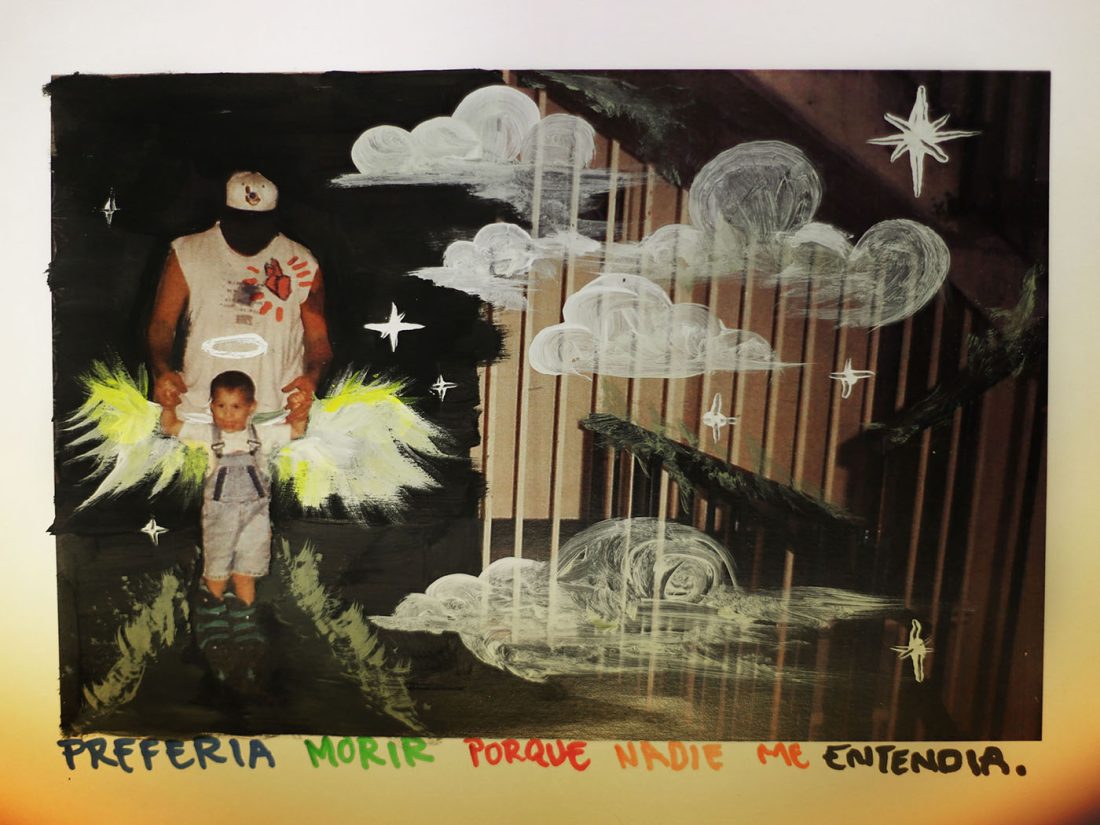
Intervention that Erick Perez (28) made on his personal file. The photo shows his father next to him. The photo is accompanied by a text that says “I preferred to die because no one understood me”. Caribe Afirmativo, a non-governmental organization with LGBTQIA+ focus in Colombia, mentions that: “People belonging to the LGBTI+ population are immersed from childhood in environments that repress their gender expression and construction of diverse identities, negatively impacting their harmful psychological states and leading to suffer mental disorders, medical conditions or even death by suicide.” “Ramirez (2019) mentions that, due to mental health problems related to stigma, discrimination, prejudice and exclusion, the lesbian, gay, bisexual and trans (LGBT) population have a 2 to 6 times higher prevalence of risk of suicidal ideation and behavior than heterosexual people, while suicide rates among transgender people are more frequent.” Erick’s personal file. 1990’s, Caricuao, Caracas, Venezuela. Archive intervention. 2022, Bogotá, Colombia. 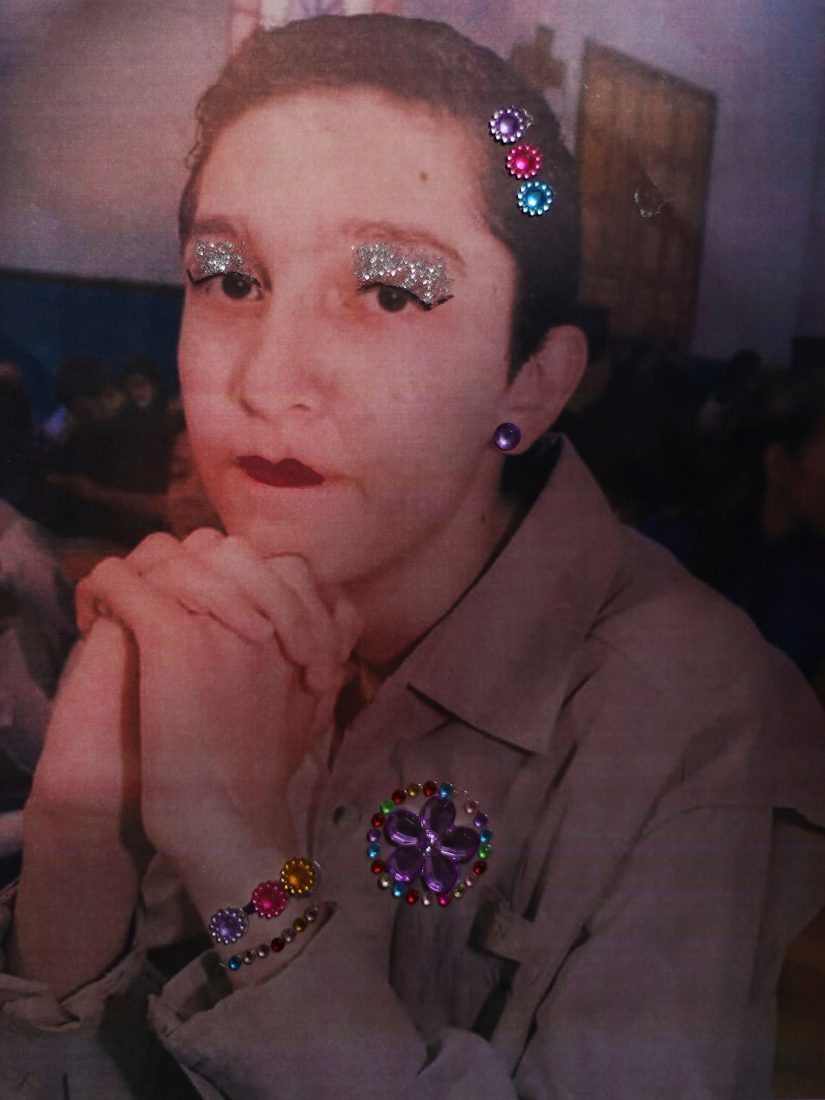
Intervention that Agnes Estrella Valdivia (23) made on her personal archive. In this photo she was 13 years old and was in a mass. Religion is implemented in the corrective gender system that is applied to diverse people. The family manipulates gender and sex-affect decisions that are different from cisheteronormativity. Anything different is sin. Agnes’ personal file. 2010, Merida, Venezuela. Intervention of the archive. 2022, Bogotá, Colombia. 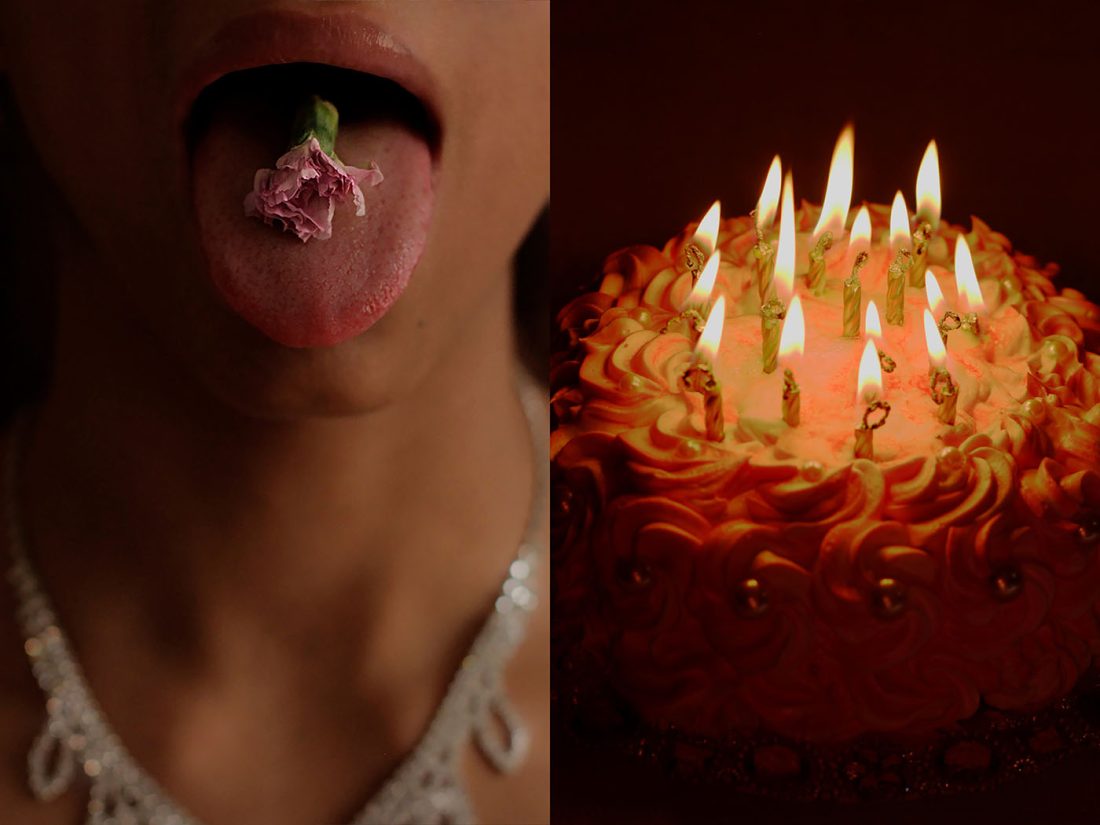
The diptych proposal is conceptually implemented by the double page shape of the family album. In the left photo appears Violet Aurora Durán Gil (20) with a flower inside her mouth. The flowers are elements heteronormatively linked to women, it is also a metaphor that emulates the action of taking the host to question that there is a gender doctrine. In the right photo we see a cake. The cake table is an important element within family celebrations and it is also a space almost always run by women since it is associated with a domestic activity. Gender binarism and heteronorma impose that cakes are decorated according to the sex of the birthday person. This is another form of applying binary and corrective violence. 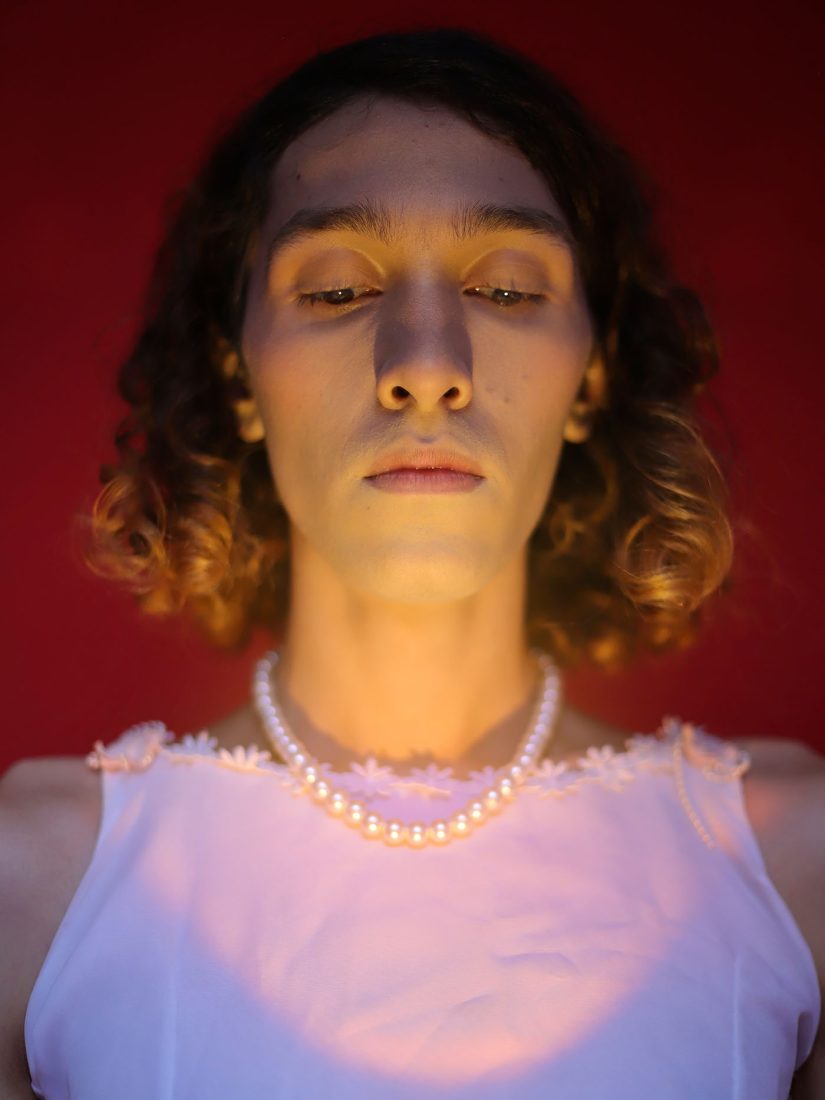
Agnes Estrella Valdivia (23) is a Venezuelan trans woman. I met her in 2022 through Osiris and Aurora. Agnes lives gender corrective violence by her biological family who still call her by her dead name “Pedro”. Agnes now lives far from her maternal home and is building a path that seeks a light of hope that will allow her to have better mental health. Gender transition involves erasing an imposed past and sometimes family members resist that change. 
Grandparents, aunts, uncles and cousins gathered to celebrate the 15th birthday of Beatriz, who is in the center of the photo. My family was headed by women, almost all of them were single mothers or had relationships with men who abandoned them, but this abandonment generated a greater presence of men. The new generations of women were trained to grow up dreaming of marriage and motherhood, at the same time they were afraid of being abandoned. Binary violence and male power structures always exert dominance over the home, family ties and identities despite absence. Personal family archive 1970’s, Catia, Caracas, Venezuela. Intervention of the archive 2022, Bogotá, Colombia. 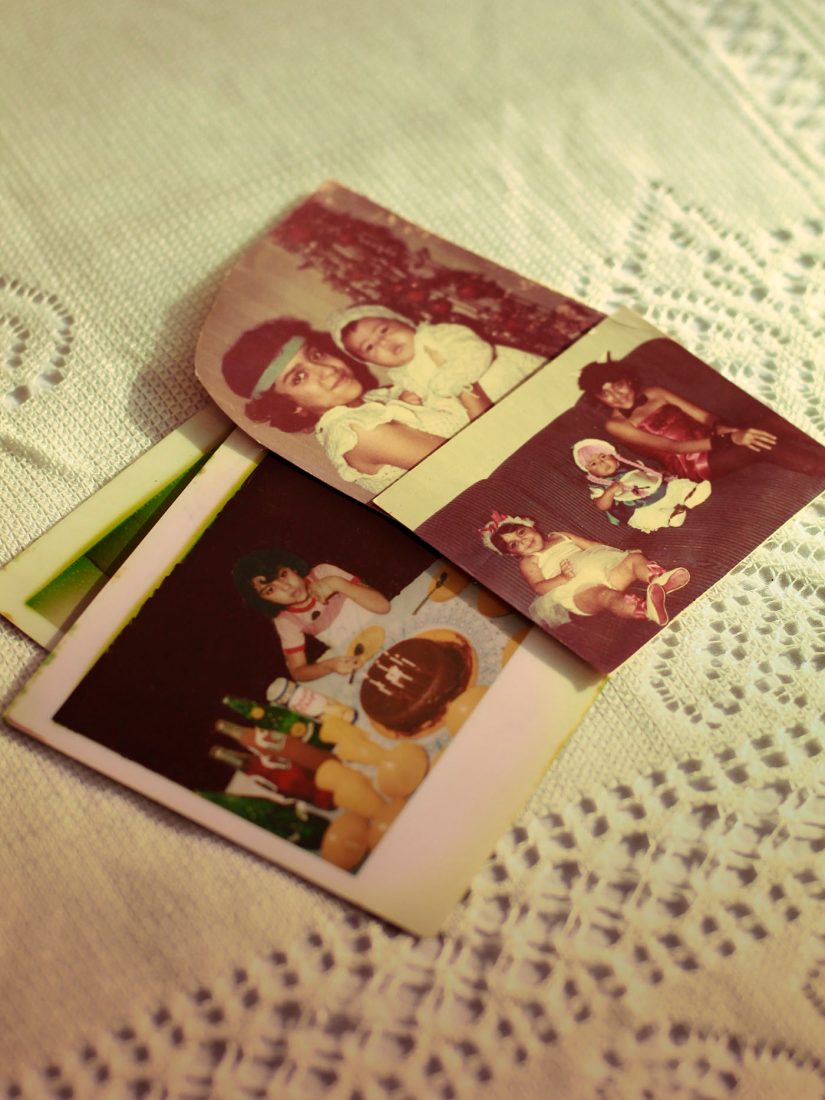
The photo shows my mother at different stages of her childhood taking care of two cousins. Girls are trained to be mothers. From a young age, they learn maternal dynamics and domestic tools. Binary violence shapes bodies based on a gender ideology that relies on biological politics. This often prevents women from developing their identity freely. Personal family archive. 1980s, Catia, Caracas, Venezuela. 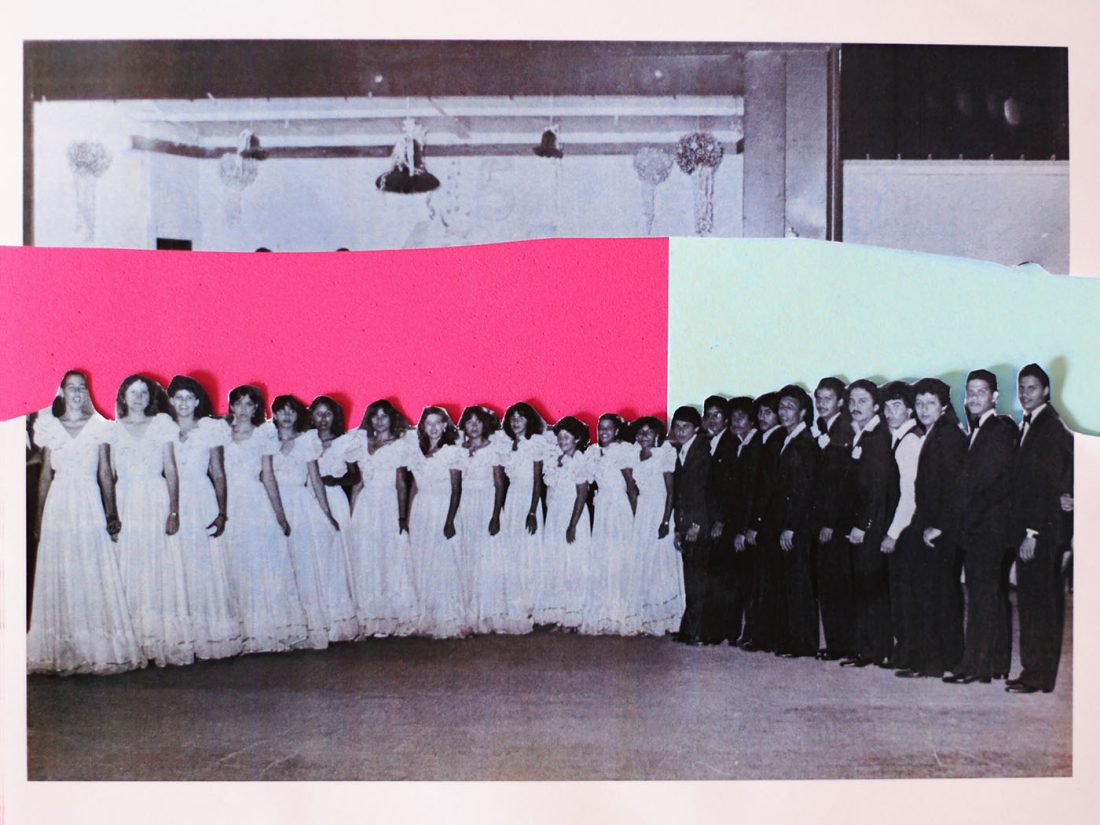
Binarism and heteronorma are a gender doctrine. Dress codes, colors, textures and tastes are imposed. These types of actions are part of a corrective gender violence that constructs stereotypes that ensure reproduction and heteroparental bonds. This gender dictatorship proposes that any difference between sex, body, identity, expression and sexuality that does not respond to the heterocis binary structure is assumed as a systematic anomaly. File found Unrecognized year, Zulia, Maracaibo, Venezuela. Intervention of the archive. 2022, Bogotá, Colombia. 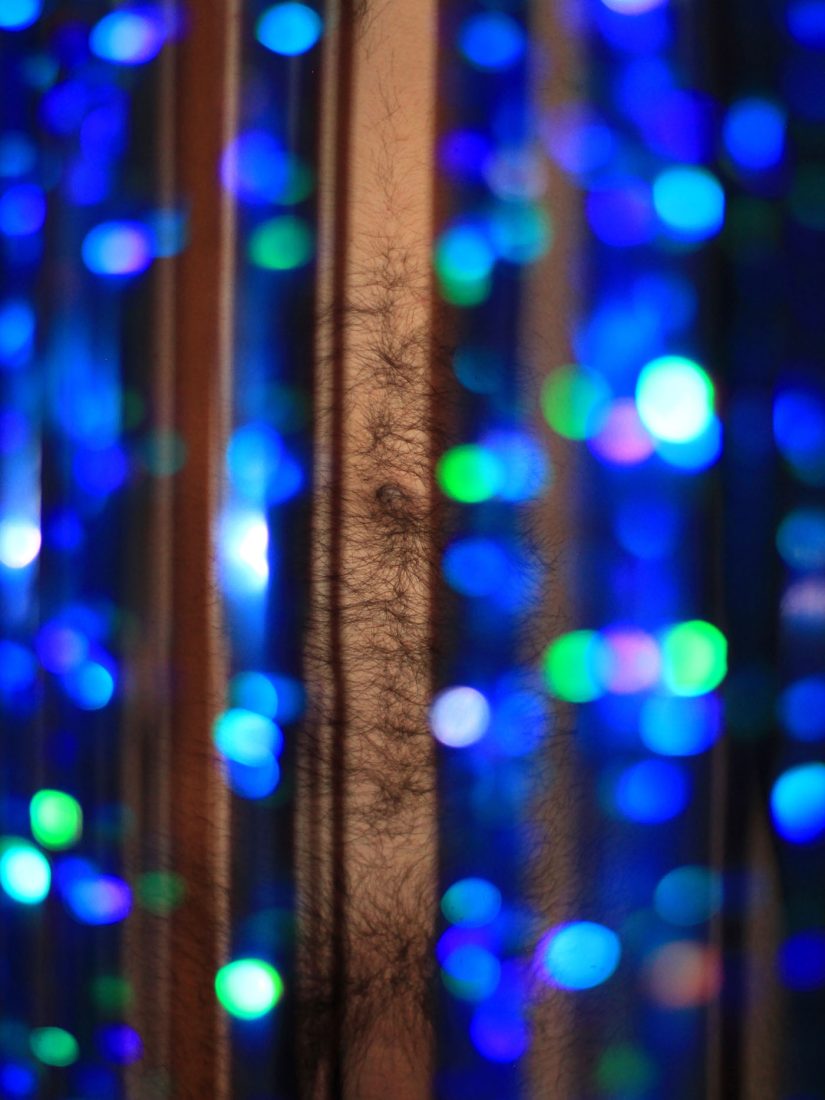
Gender stereotypes shape the body and psychology of a man as opposed to a woman. Men don’t cry is the first thing a boy on the road to hypermasculinization hears. Men don’t have transition rituals or celebrations like 15 years. The only indicator that a man is big is the size of his genitals and sexual actions, turning them into detached, predatory bodies with no right to feel emotions. This stereotypical performance of the masculine generates negative consequences in the way of inhabiting fatherhood and affects mental health. The WHO states: “More than twice as many men as women commit suicide (12.6 per 100,000 men compared to 5.4 per 100,000 women).” Doctor of Psychiatry Anne Maria Möller-Leimkühler comments, “Suicide is the leading cause of death in men between the ages of 20 and 45.” The reasons for these suicides are associated with gender stereotypes. 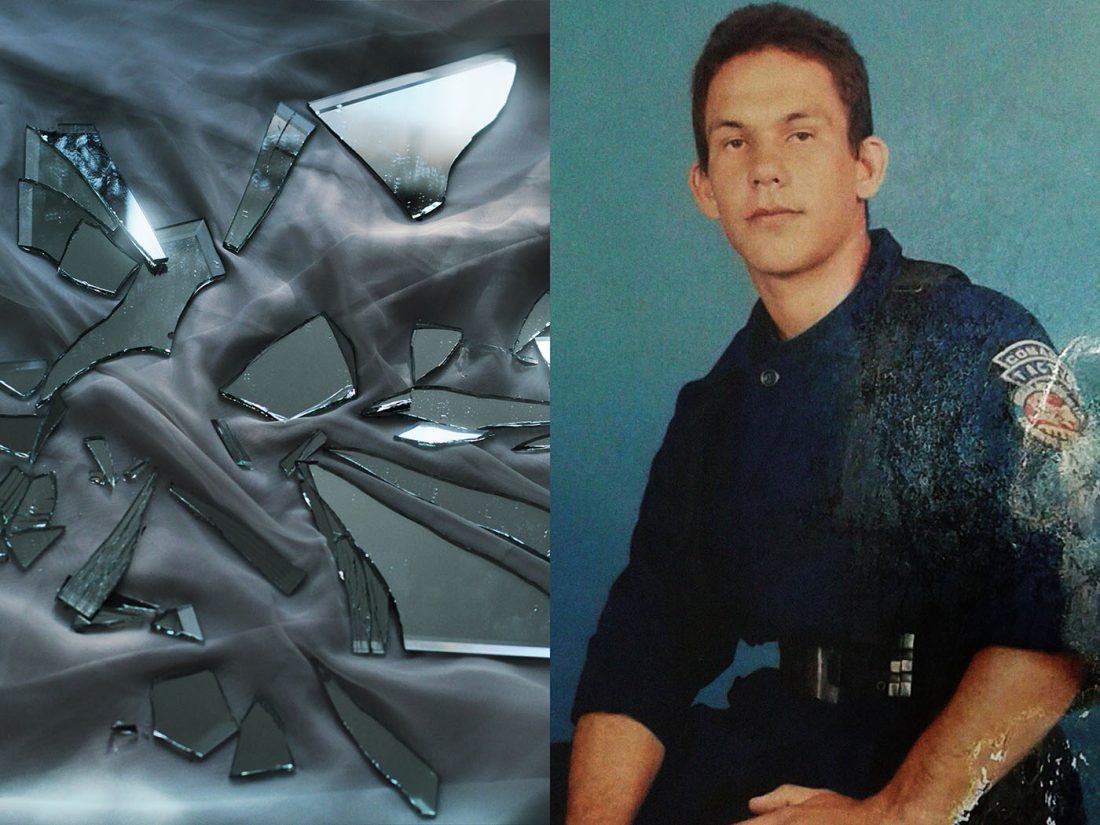
Diptych: On the left we see a mirror that was accidentally broken and I took it as a message, an oracle of identity. The mirror is a symbol of identity. It shows us what we are. What happens when we are not in the reflection? Diverse people who grow up in normative spaces are forced to shed impositions and break generational patterns. On the right is a photo of Alexander Montiel, a police officer with the PM’s Special Tactical Support Command (CETA) and my father. I never met him in person. It wasn’t until 2022 that I was able to talk to him online and when I told him I was a diverse person he ignored me. Although Montiel was always absent, my mother every year would show me this picture and say “this is your dad”. It was a way of making the father figure present. For many years I had to answer for him, “Where is your father? It was a constant question I was asked by my cousins, schoolmates and teachers. Personal family archive 1990’s, Caracas, Venezuela. 
Self-portrait. In 2021 I made the decision to be a non-binary trans person. This led me to delve deeper into issues of identity, gender and expression. This journey allowed me to build a chosen family and a support network. This photo speaks of queer birth, the birth of diversity. We have always existed. The new generations are deconstructing the old paradigms. Discommoding the past to build a more diverse memory for the future. I see this photo as the symbolic birth of this project. 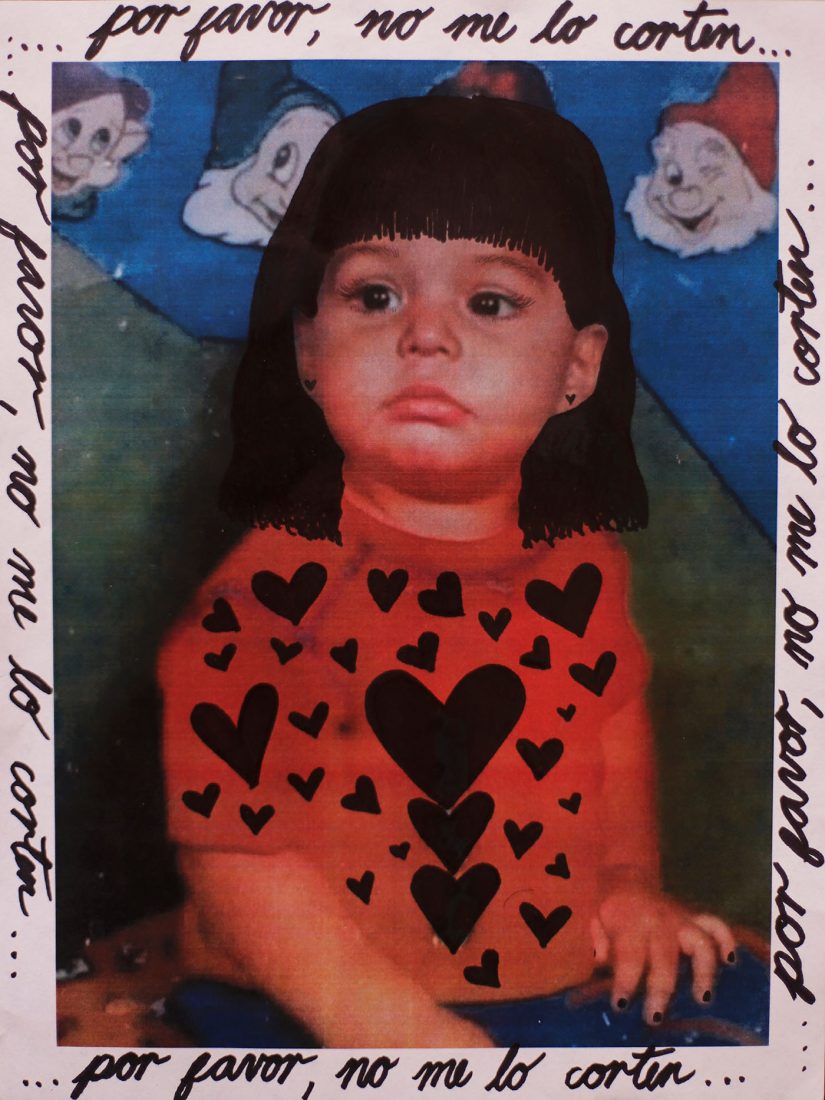
Intervention by Osiris Evangeline Durán Gil (22) who reflects on the processes that trans female childhoods have to go through. The photo is accompanied by a text that reads “please, don’t cut it off”. Osiris’ personal archive. 2000s, Mérida, Venezuela. Intervention from the archive. 2022, Bogotá, Colombia. 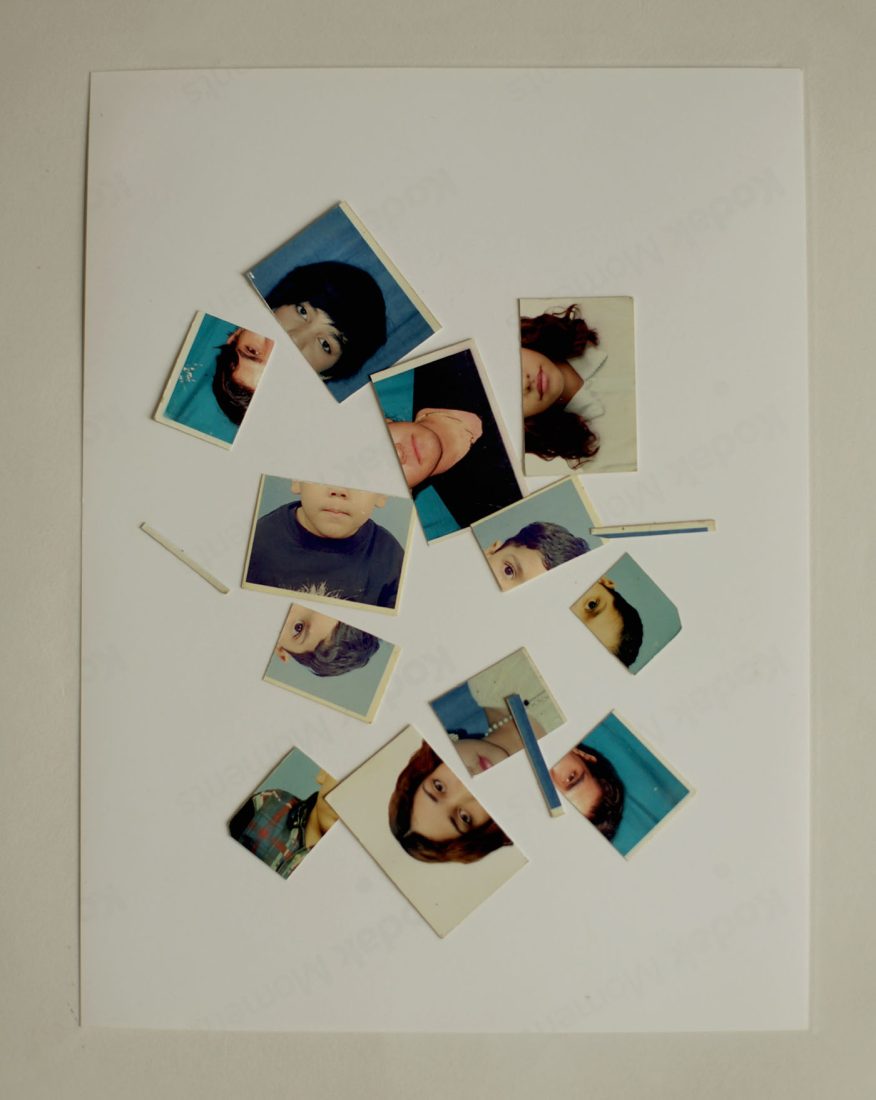
Original and personal files cut. In the photo we see fragments of photographs showing my sister Ayerim, my cousin Joseito and me. I remember when Joseito committed suicide. It was in the early morning. I answered the call and his brother told me “Joseito is dead”. From that day on I never saw him again. That loss affected me and my sister. We were very close to our cousin. That pain has driven me, for 12 years, to stand up for my rights and be supportive of other diverse people. Cutting up the original archive is a way of transgressing the institutional and normative nature of the family photographic archive. It is a way to rethink the visual ways of memory and to evidence the symptoms of binary violence. 
In the photo, we see Mariana (15) looking at herself in the broken mirror of her makeup palette. Mariana is a bisexual Colombian girl who suffers gender corrective violence. I met her at the time of Pride Bogotá 2022. She approached me and asked me if I would go to the Pride march. From that day on, we started to create a bond. Months later, we connected because she needed to do a drag proposal and was looking for a face. The day came. We met at my house. While I was doing my makeup, Mariana told me that she was being threatened to be taken to sexual conversion therapy and that she was self-harming, cutting herself. It was an afternoon of many questions and wounds. It is not possible to say everything to protect identity. LGBTQIA+ lives have been forced to live underground. We have always been pushed out of the public space. Every attempt at freedom is accompanied by risk, fear and violence. 
Self portrait with drag makeup taken by Mariana (15). I took this photo after Mariana went home and thinking about the idea of continuing to generate a dissident archive for posterity. The photographic has a tendency to become archive and memory. It is important to ask ourselves what photographic representations are we producing for the future? 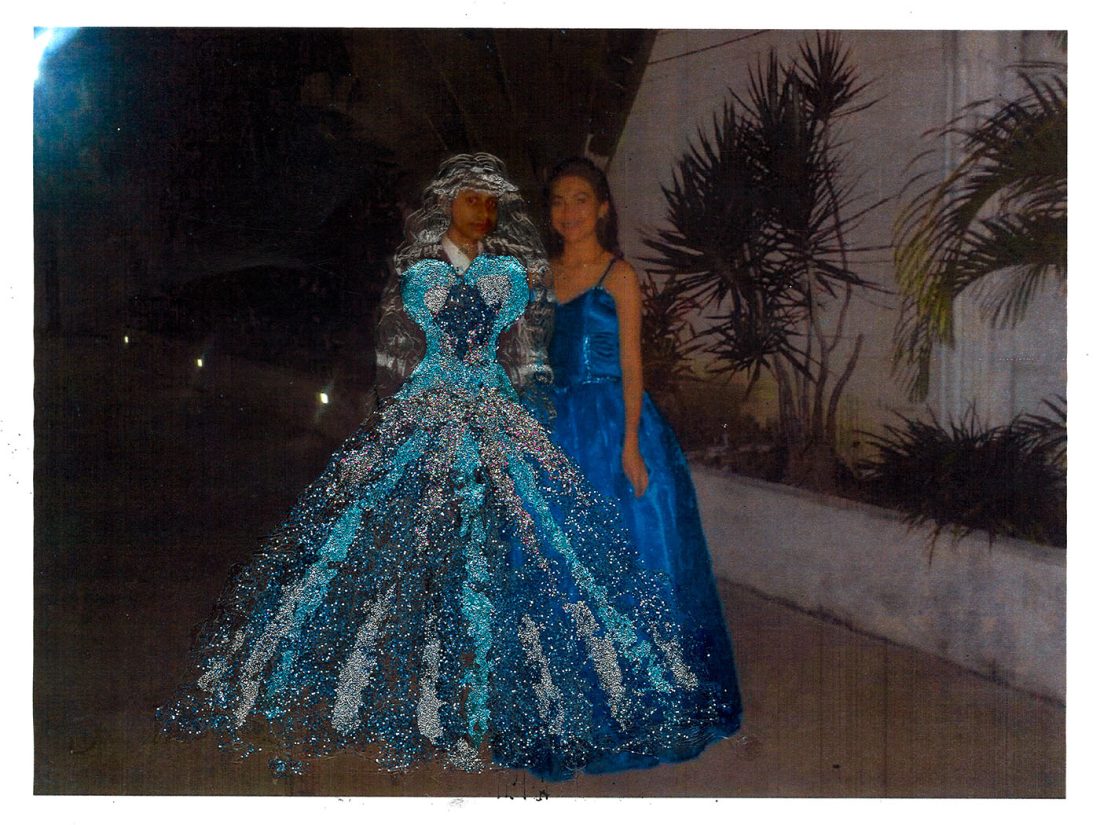
This intervention was made by Violet Aurora Durán Gil (20), a Venezuelan trans woman. The photo shows Aurora at the age of 14 wearing a dress made of glitter and her quinceañera cousin. Aurora always dreamed of having a quinceañera. Trans childhoods are forced to live in someone else’s body. Aurora: “At my cousin’s quinceaños I was forced to be the chamberlain. At that time I recognized my gender identity and it’s very uncomfortable to see me like that.” Caribe affirmative says: “the rejection of diversity and difference, feeds on “regimes of (in)visibility” that exclude “the weird”, “the distant” and “the dangerous”. The invisibilization of trans women, causes them to be denied the possibility to build autonomously, to relate genuinely, to participate in spaces where decisions are made, to inhabit the public and even the private”. Aurora’s personal archive. 2014, Merida, Venezuela. Intervention of the archive. 2022, Bogotá, Colombia. 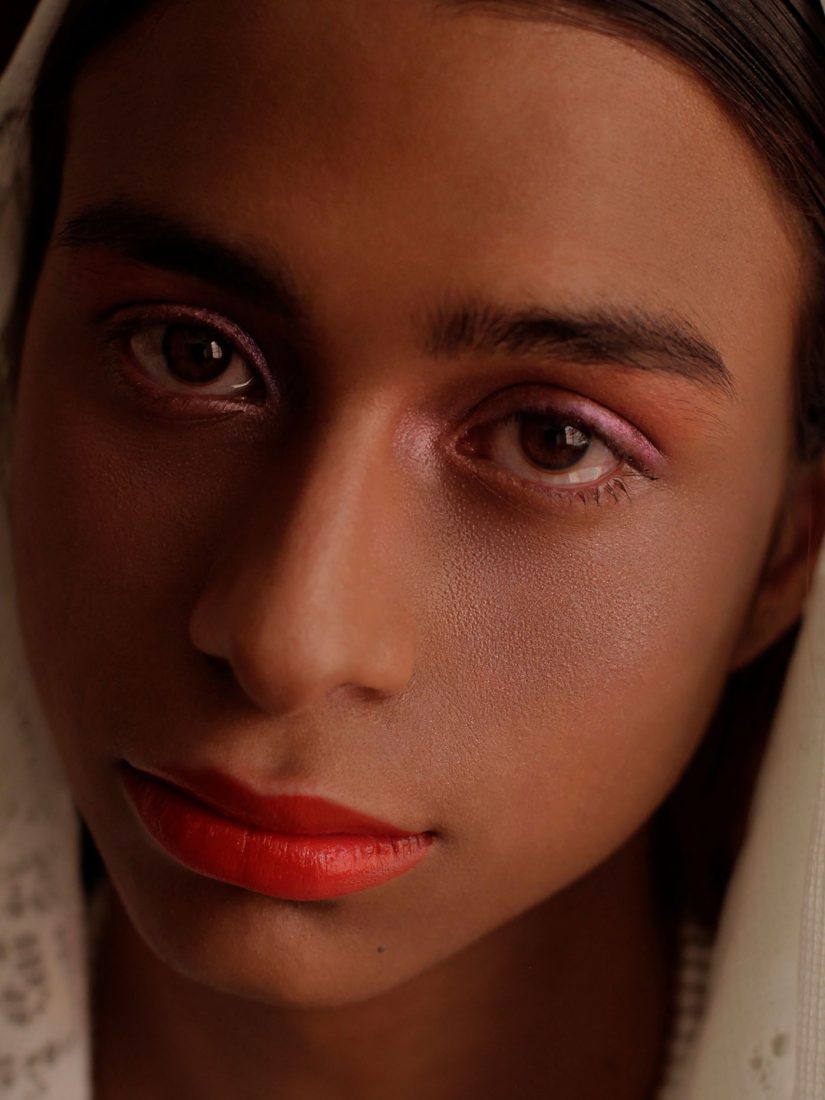
Violet Aurora Durán Gil (20) felt she was a woman since she was a child, but it was not until she was 13 years old that she began to explore her identity. Then at 17 she emigrated and definitively began the transition. 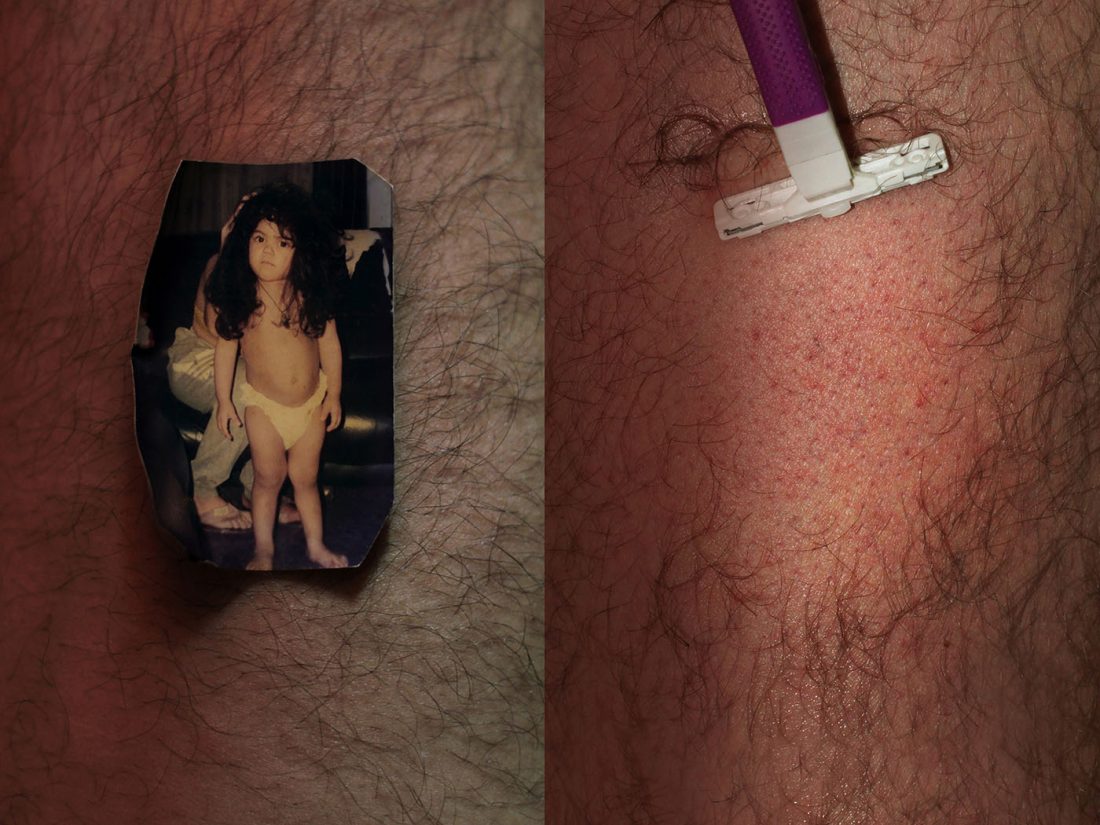
Diptych: In the photo on the left we see my mother placing her hair on me in the form of a wig. Although mom grew up in a violent, binary and normative environment, she always looked for ways to show me signs of diversity. We had a sincere relationship, even though the family always questioned it. In 2013 she passed away and all this grief led me to search for answers in the past. The photo on the right side reflects on how, through body hair and hair, gender binarism separates men from women. It is also a metaphor for loss. Personal family archive. 1990’s, Guarenas, Miranda, Venezuela.
I grew up in a family of women and lonely maternities. I grew up watching the absence of fatherhood. Men were less than women, but they decided and invoked blind force. At 12, I began to recognize my diversity. At 18, I experienced my first bereavement: my cousin Jose committed suicide. Among my relatives, they commented that Joseito was homosexual and that’s why he took his own life. Corrective violence and binary violence often do not allow diversity to inhabit the world. In 2013 my mother died and this marked a separation with my family. I moved away from that home that was both refuge and concentration camp.
In 2022 I began to revisit the family archive, I understood that I was not in it. I could also say that this person, who is apparently me, was a representation. I began to visit other family archives of LGBTQIA people and my questions became certain. My story, Aurora’s, Osiris’, Agnes’ and Erick’s, have something in common. The early years of our personal memories do not represent who we are. Every diverse gesture was censored. Most childhoods, trans, non-binary, queer and sex-diverse raise us alone, rethink the idea of home, build a family and fight for our rights.
The dead family is an investigation that looks at the family archive as a binary historical document that protects heteronormative narratives imposed by patriarchal structures. These impositions assume a sex-ordering that separates the masculine from the feminine and identities that are outside of this political-biological mechanism. Diverse identities have no visibility in the action of the “family portrait”. Binary violence is not less than the representation is diverse, it also fetishizes the feminine and turns women into a maternal-domestic tool.
Dead family is a work that diuró the family archive. It is a photographic intervention, but also a political one. It is a naturally collective project that needs the voice and the gaze of the LGBTQIA community. This collaborative character allows that each person who opens the pages of his album can insufflate his own archives from the premise. How was a more diverse memory for the future?
